Bijgewerkt 2026·Te voet gecontroleerd·Built into the cliffs of Mesa Vouno above Perissa
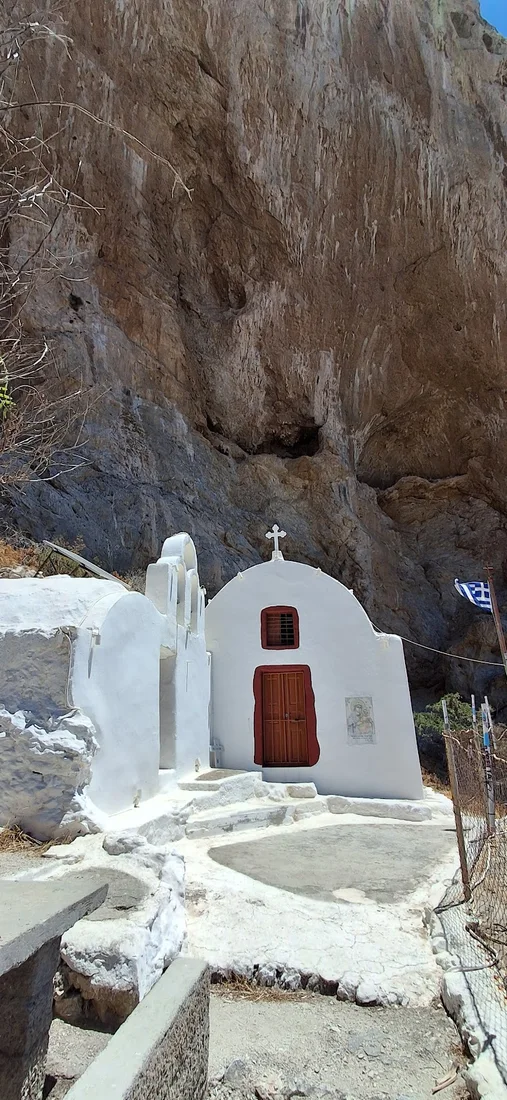
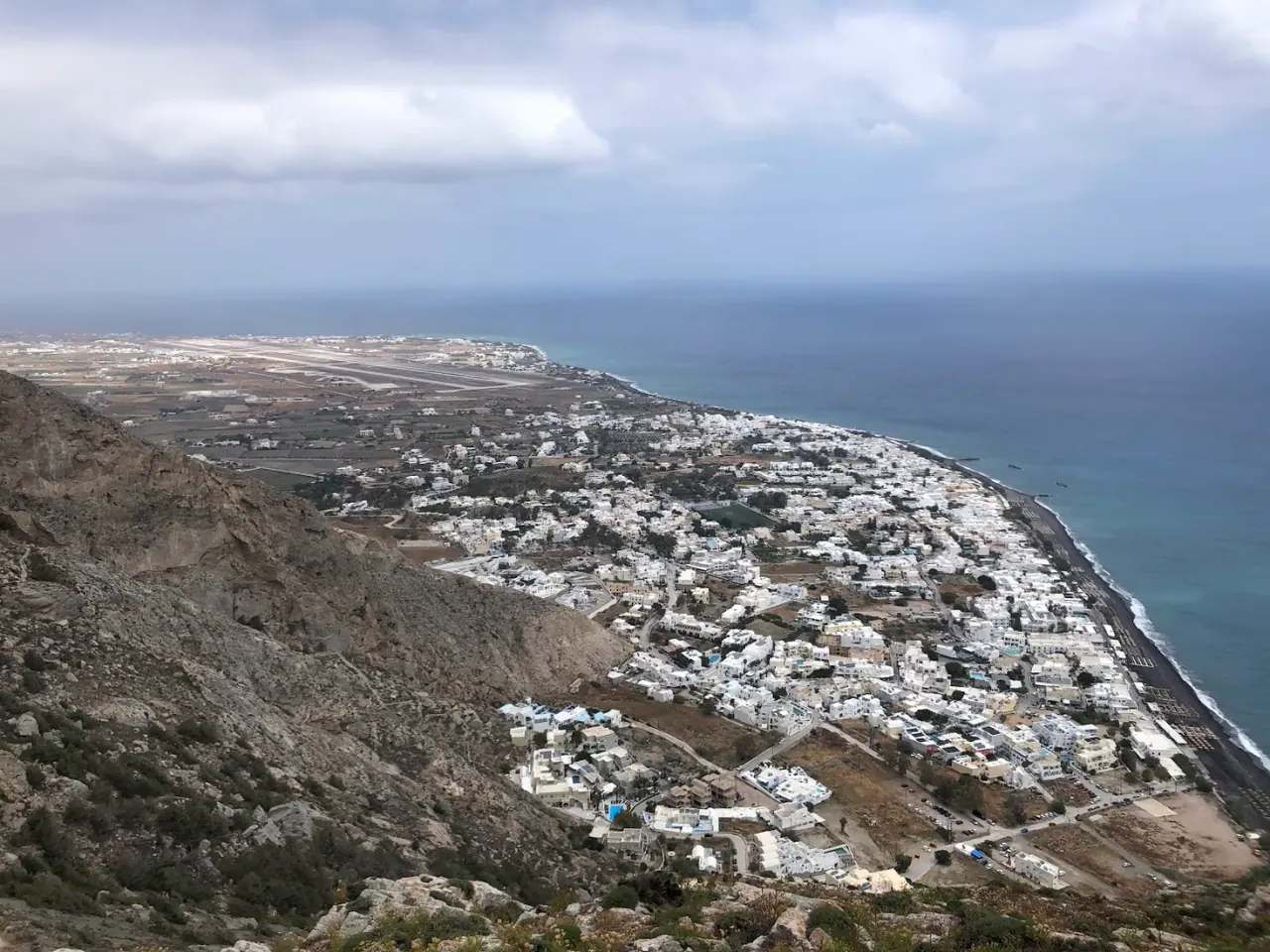
Panagia Katefiani is a tiny whitewashed chapel built into a hollow in the sheer rock face of Mesa Vouno, high above Perissa with a sweeping view over the village and the sea. Built between 1537 and 1650, its name comes from the word katefygio, meaning a place of refuge — villagers hid up here from pirate raids, and its lofty perch helped it survive. A small cave with a spring, said to have healing waters, lies behind the sanctuary.
Panagia Katefiani · Rock chapel set into Mesa Vouno
Periode
Rock chapel set into Mesa Vouno
Locatie
A short, steep climb above the village
Toegang
Free
Openingstijden
Open access outside; the chapel itself is usually locked except on feast days
Benodigde tijd
About an hour including the climb
Beoordeling
4.9★ · 16 beoordelingen
Openingstijden en prijzen voor het laatst gecontroleerd in 2026 — ze veranderen, dus bevestig ze op de dag zelf.
Geschiedenis
Hoe het is ontstaan
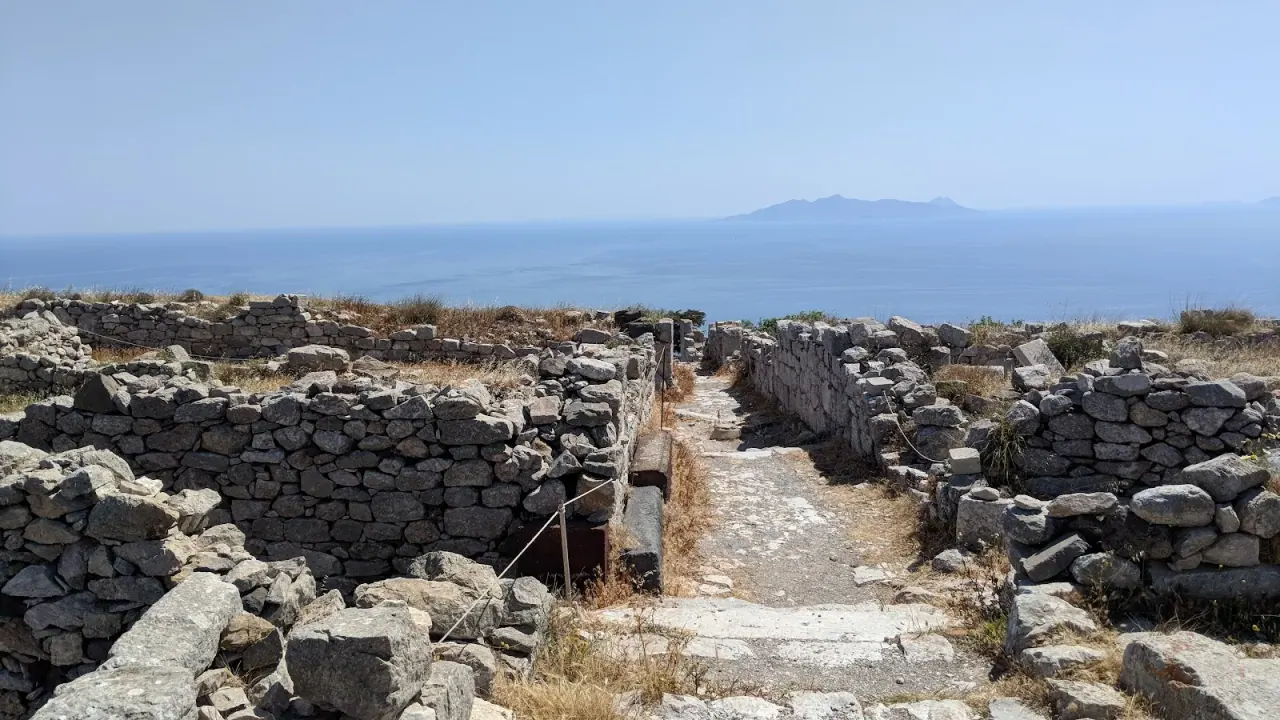
The little chapel is set directly into the cliff of Mesa Vouno, part of the Cycladic tradition of rock chapels built into caves and overhangs. Its position on the mountainside links the village below with the ancient city of Thera on the ridge above.
Wat je zult zien
Tijdens een bezoek
The bright-white chapel against the dark rock, the cave setting, and the sweeping view back down over Perissa's beach and the Aegean.
Hoe te bezoeken
Reached on foot by a steep path up the flank of Mesa Vouno; wear proper shoes, carry water and avoid the midday heat.
Beste tijd
Early morning, before the sun hits the exposed path
Galerij
Er komen
Locatie
A short, steep climb above the village · Built into the cliffs of Mesa Vouno above Perissa
On foot, by a steep path up the side of Mesa Vouno from Perissa. It is a short but demanding climb, best done early in the day with good shoes and water.
Its name comes from katefygio, meaning 'refuge': villagers hid in this tiny chapel, tucked into a hollow high in the Mesa Vouno cliff, during the pirate raids that plagued the coast, and its lofty, hidden perch helped it survive. Behind the sanctuary is a small cave with a spring whose water was said to have healing powers. It was built between about 1537 and 1650.